ASTM · ASME · DIN · ISO
Stud bolts made to the standard, and the paperwork to prove it
INSHA manufactures stud bolts, threaded rods and heavy hex nuts to ASTM, ASME, DIN and ISO standards for the oil and gas, petrochemical and power industries. Every batch ships with an EN 10204 3.1 mill test certificate.
26+
Years manufacturing
Producing bolting for pressure equipment since 2000
M12–M100
Diameter range
Imperial 1/2" to 4" on the same lines
6,000 mm
Maximum stud length
Single-piece threaded rod, no welded joints
100%
Batches with 3.1 certificate
EN 10204 3.1 issued from our own test lab
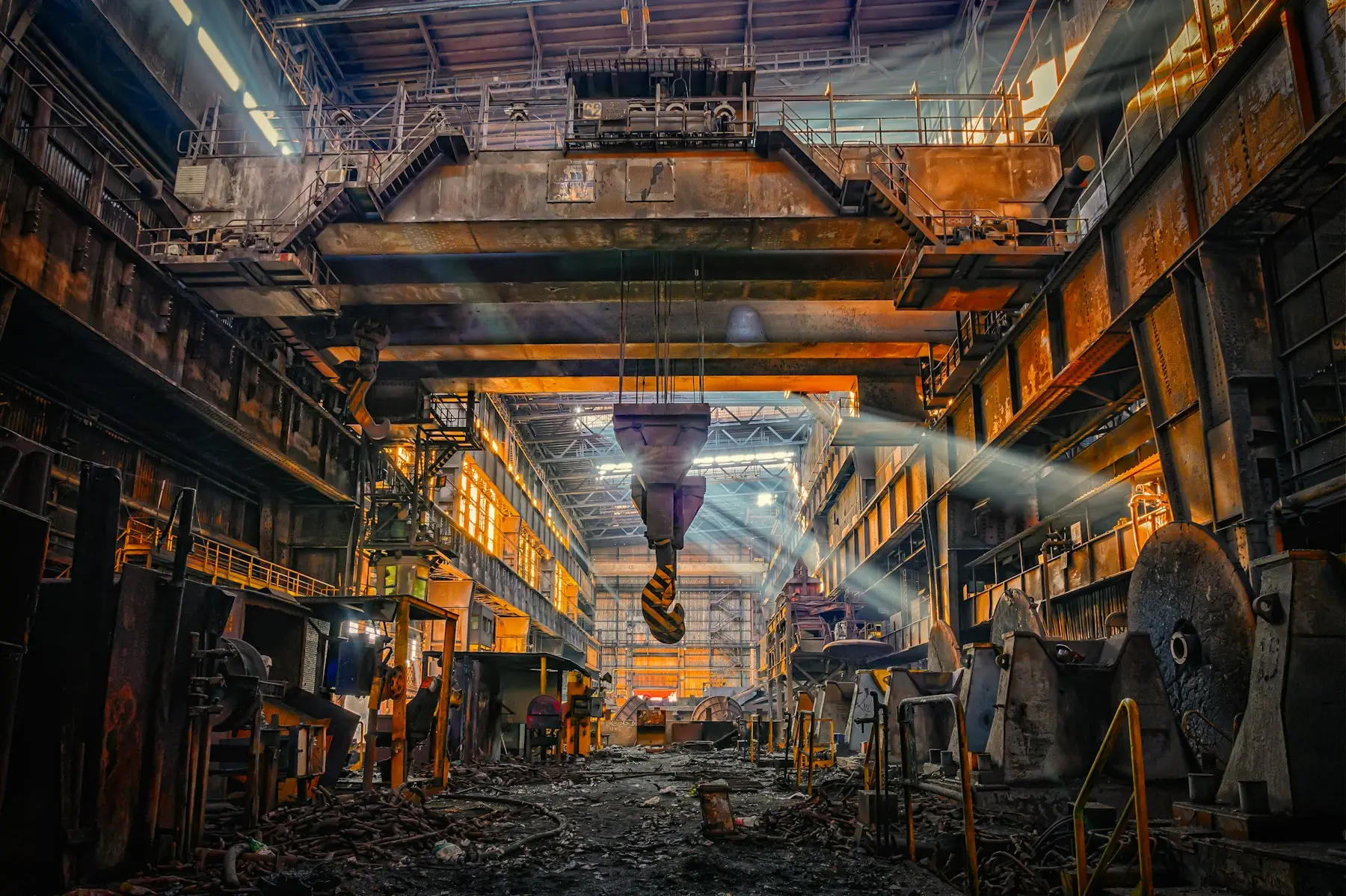
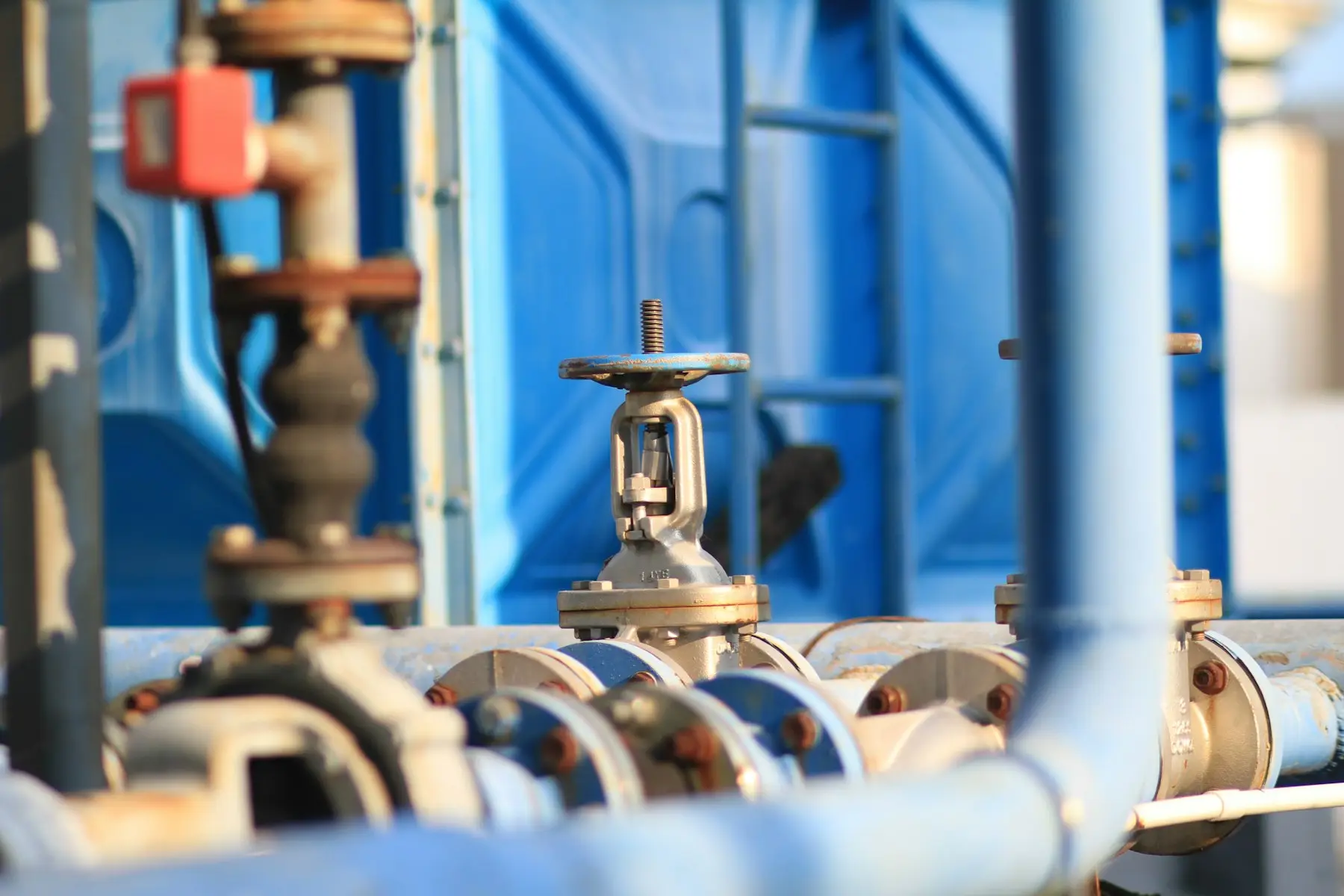
Every stud we make ends its life in a joint like this one — clamped, torqued, and expected not to move for the next twenty years.
01 / Start here
Start from the problem, not the part number
Most enquiries arrive describing a service condition rather than a grade. These three routes cover almost all of them.
02 / Products
Four product lines, one certificate system
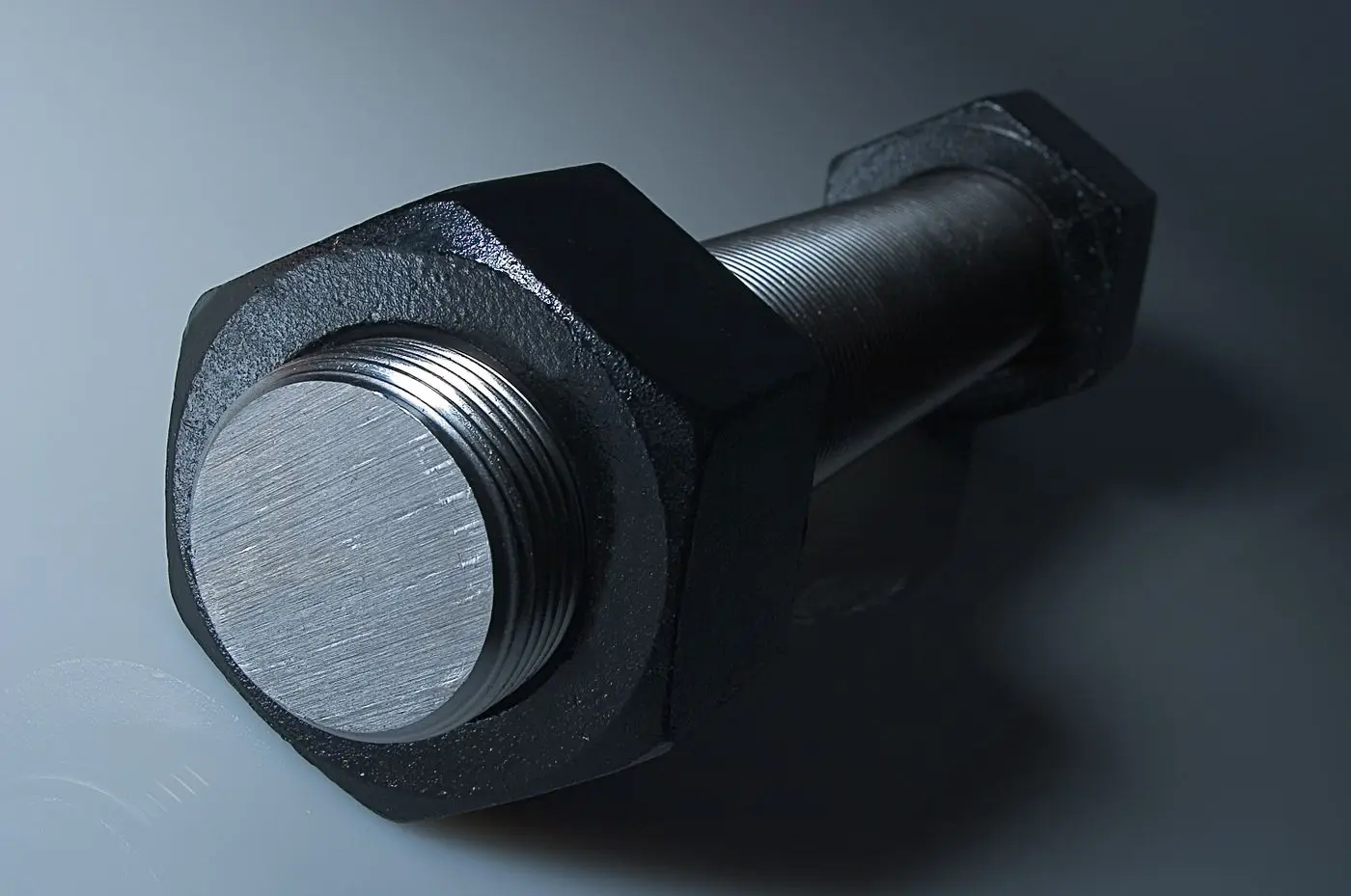
Stud bolts
Fully threaded studs with two heavy hex nuts
M12 – M64 · ½" – 2½" · dai 40 – 2 000 mm
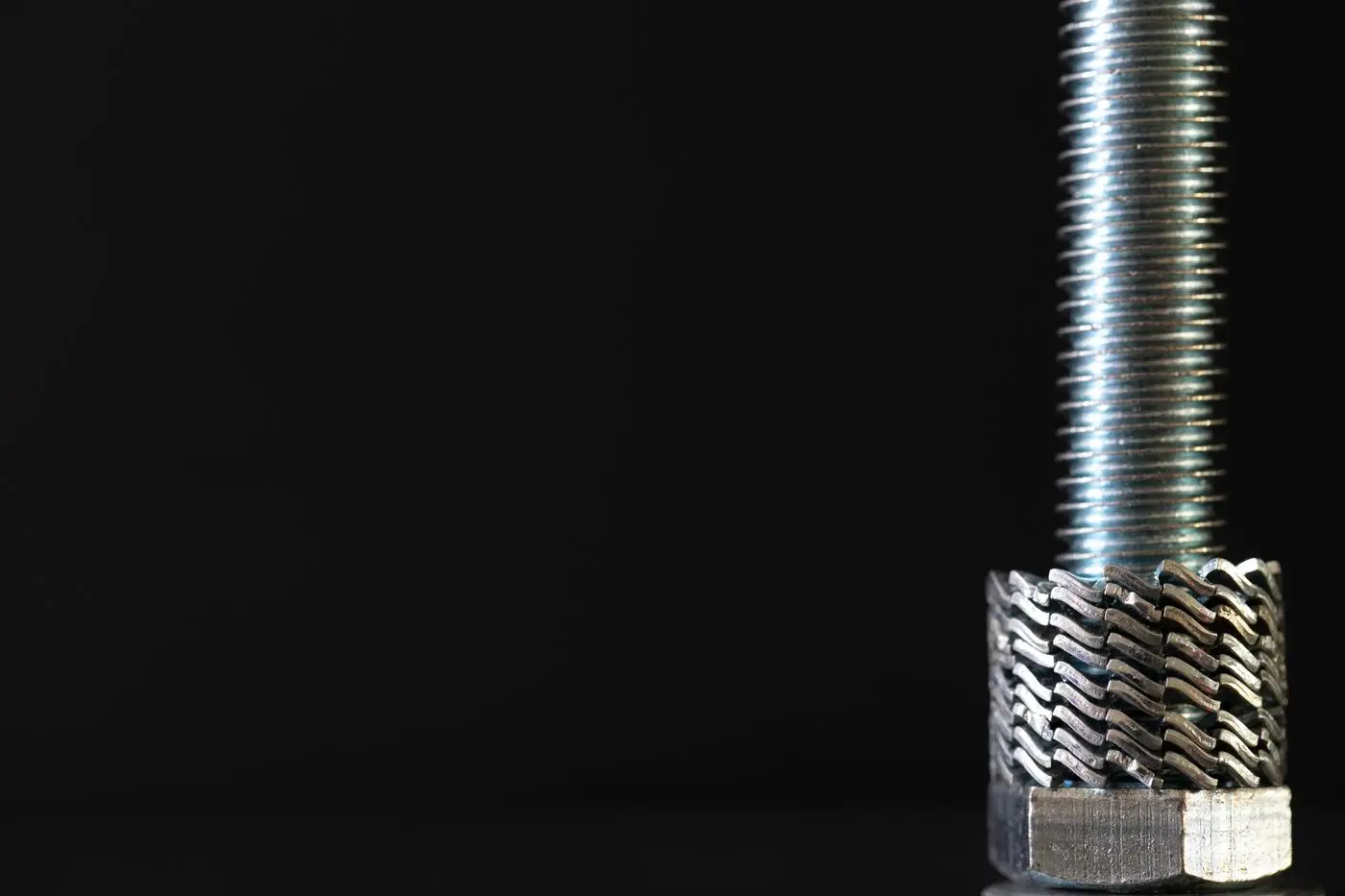
Threaded rods
Continuous thread rod, cut and chamfered to length
M6 – M64 · dai 100 – 6 000 mm
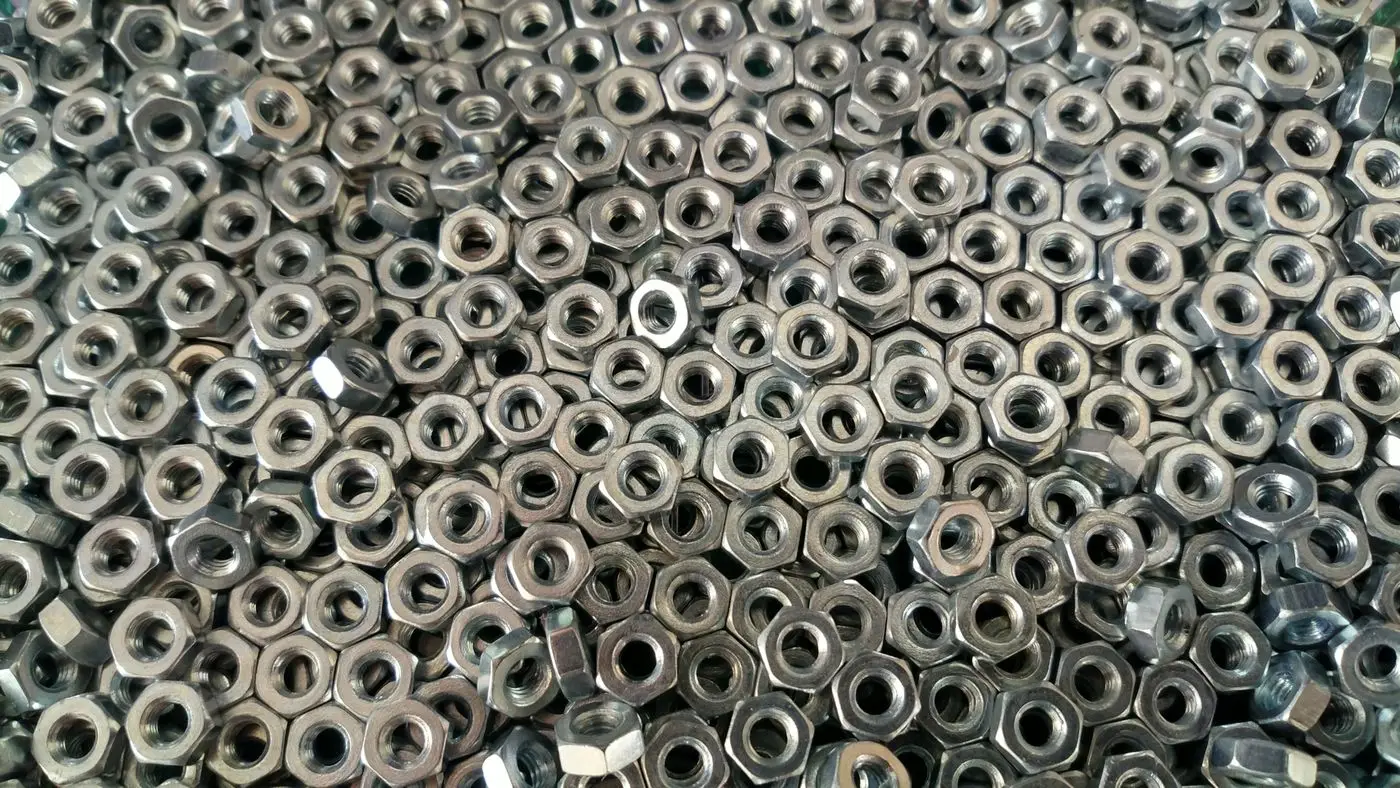
Heavy hex nuts
ASTM A194 nuts matched to the stud grade
M12 – M64 · ½" – 2½"
Washers
Hardened and plain washers to ASTM F436 and DIN 125
M12 – M64 · ½" – 2½"
03 / Standards
Every grade we hold, with the numbers on the page
Chemistry, mechanical properties, temperature limits and the matching nut — all published, so you can check a specification before you send an enquiry.
Alloy steel — ASTM A193
Chrome-moly bolting for pressure and temperature. This is what most refinery flanges run on.
Low temperature — ASTM A320
The same steels as A193, but impact tested at −101 °C. Required for LNG and cryogenic duty.
Stainless — ASTM A193 B8 / B8M
When corrosion decides the design. Lower bolt load than B7, but no coating to fail.
ASTM A193 Grade B8 Class 1
Austenitic stainless steel, AISI 304
ASTM A193 Grade B8 Class 2
Austenitic stainless steel, AISI 304
ASTM A193 Grade B8M Class 1
Austenitic stainless steel, AISI 316
ASTM A193 Grade B8M Class 2
Austenitic stainless steel, AISI 316
04 / Process
Seven steps, and what each one leaves behind
When you buy certified bolting, what you are really buying is the record. Here is what gets written down, and where.
- 01
Material and heat number
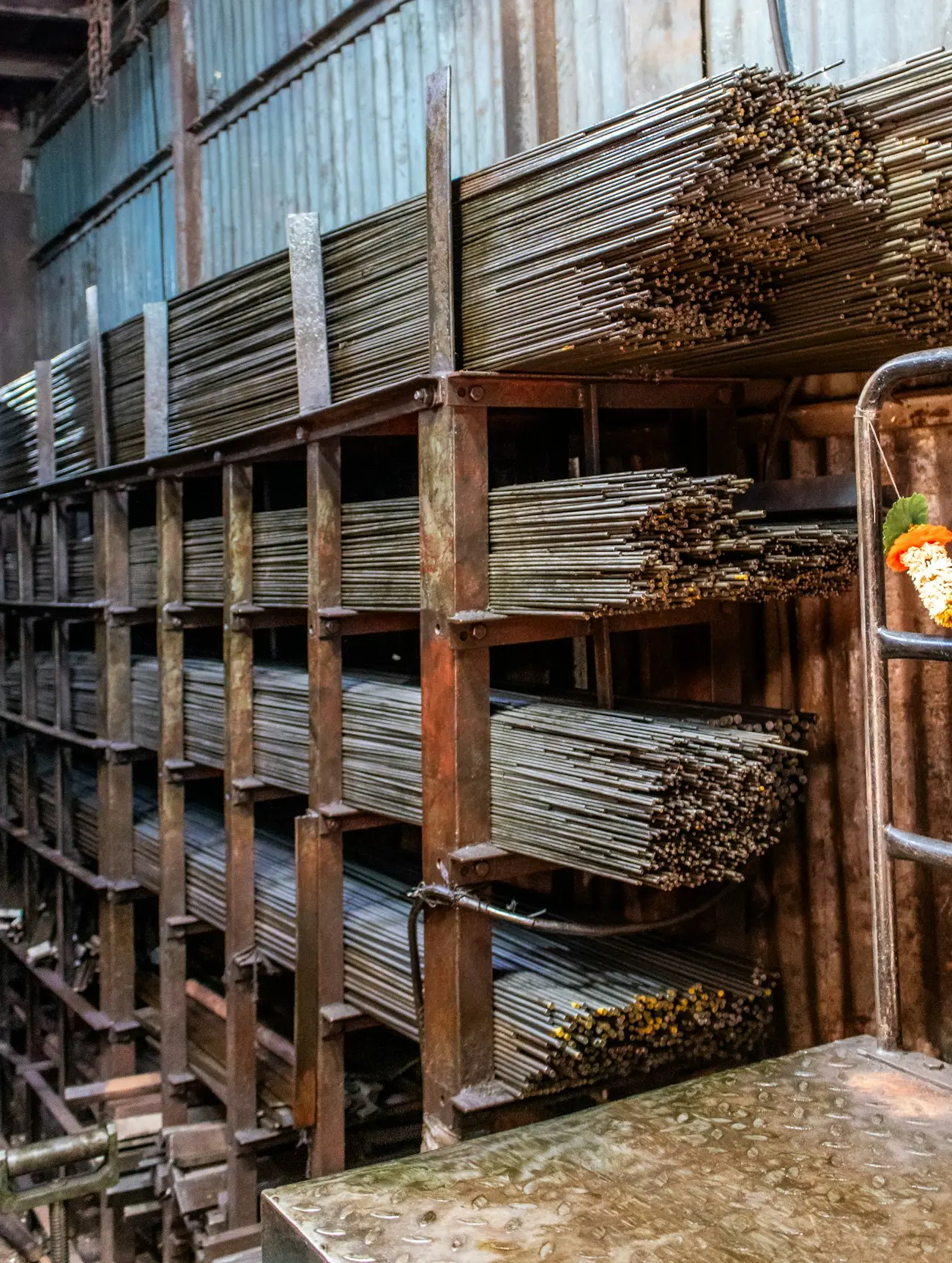
Bar stock arrives with its own mill certificate. Before anything is cut, we verify the grade by PMI and record the heat number against the works order.
Mill certificate · PMI reading
- 02
Cutting and turning
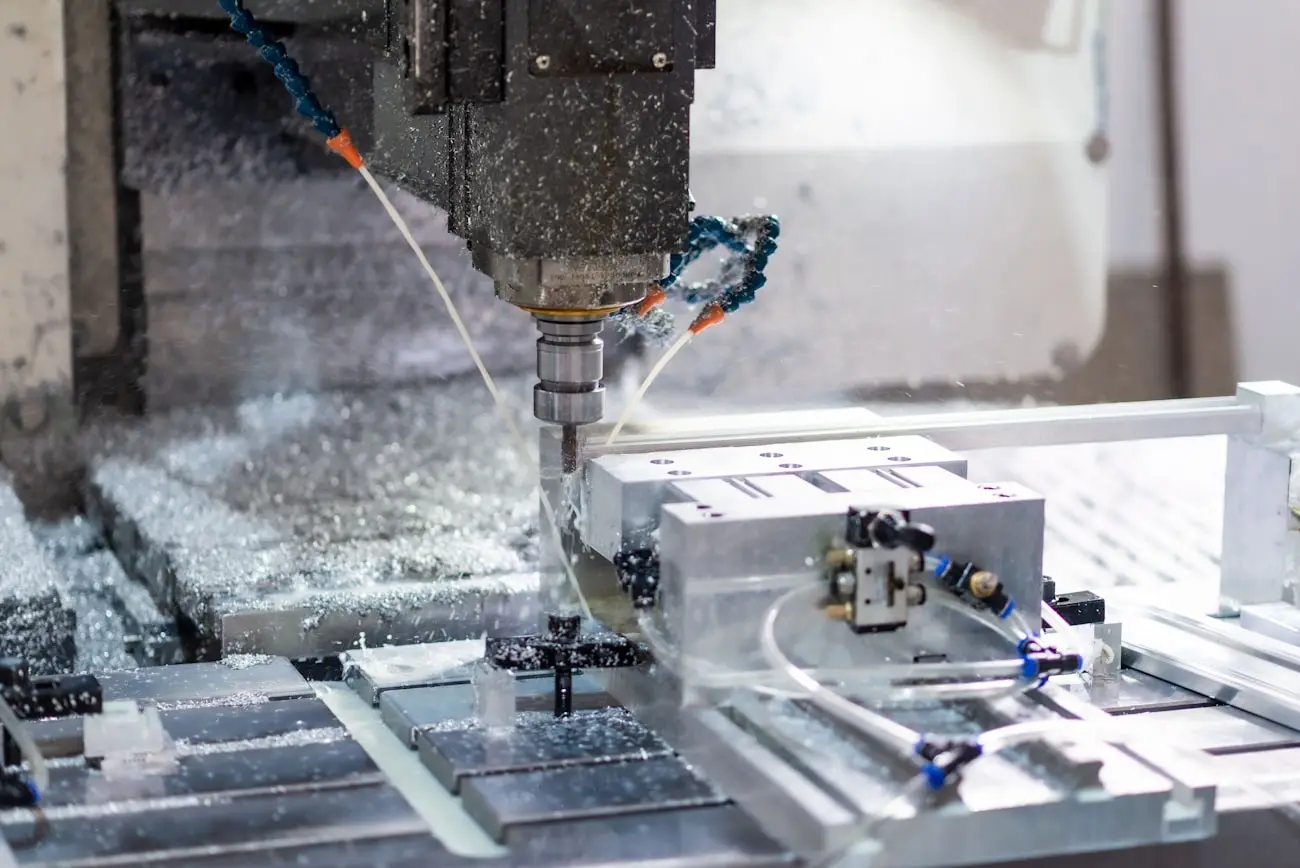
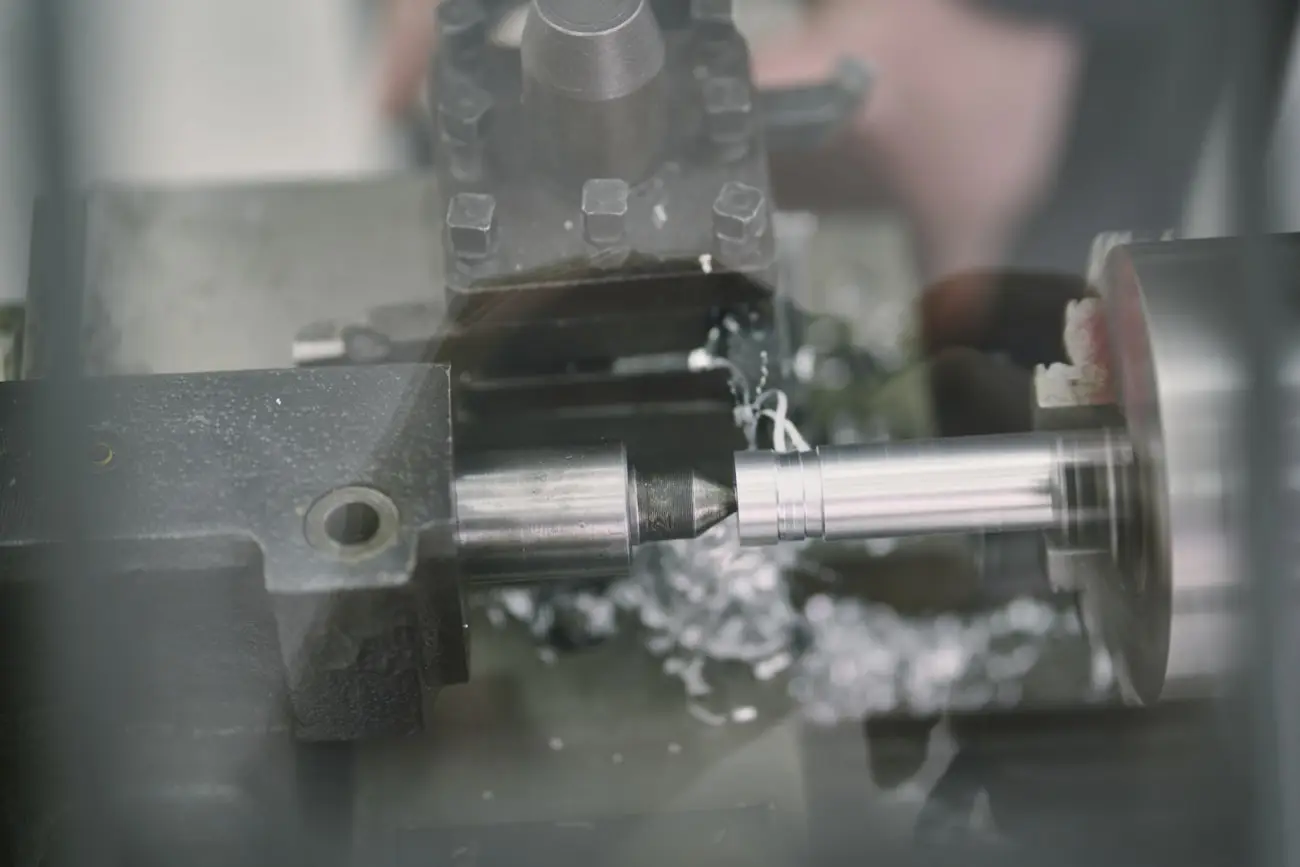
Bar is cut to length with a machining allowance, then CNC turned to the thread blank diameter and chamfered 45° at both ends.
First-off dimensional check
- 03
Quench and temper
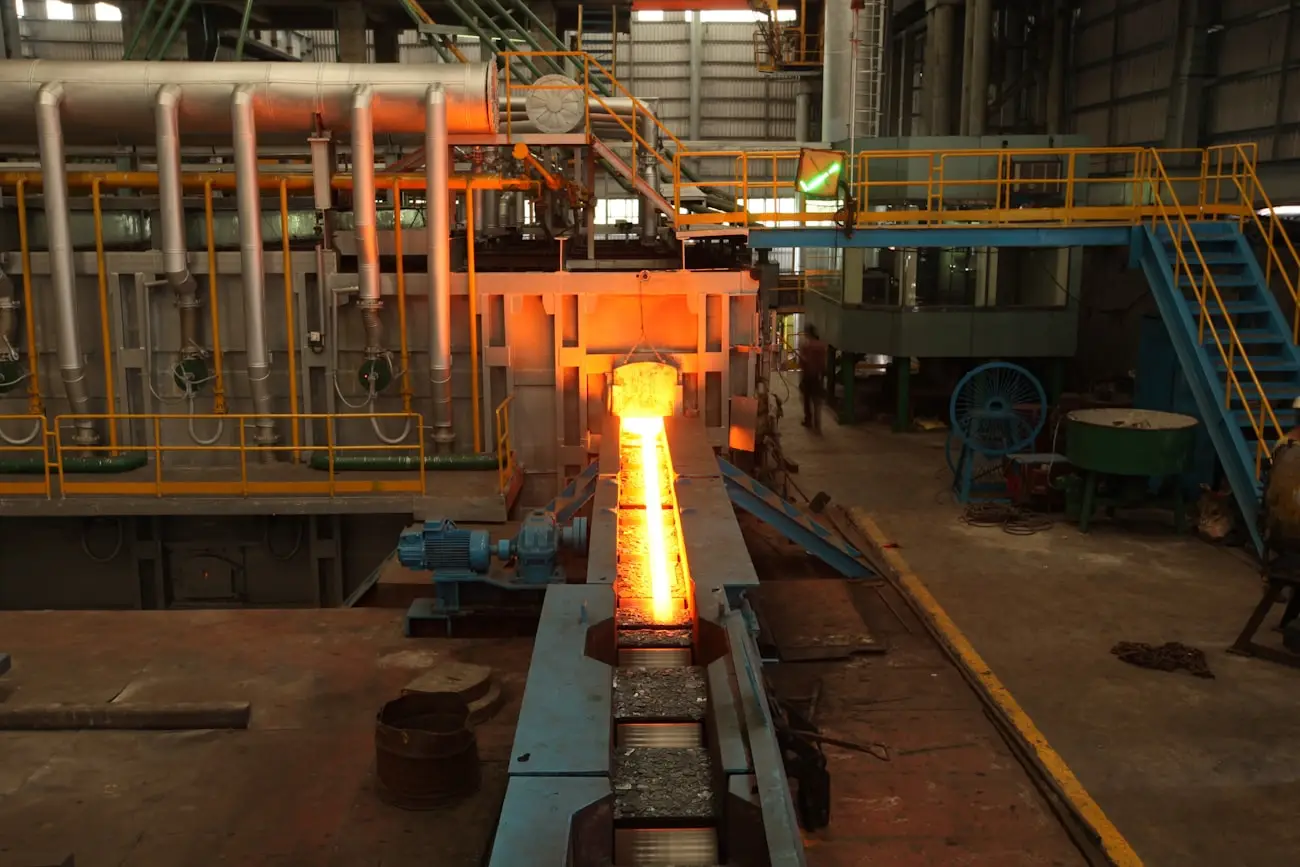
Heat treated to the grade specification. The tempering temperature is what separates B7 from B7M, so the furnace chart is kept as evidence, not just as a process record.
Furnace chart per batch
- 04
Thread rolling
Thread is rolled after heat treatment, not before. Rolling a hardened blank is harder on the dies but it leaves the thread root in compression — which is where fatigue life comes from.
Go / no-go thread gauging
- 05
Mechanical testing
Tensile, yield, elongation, reduction of area and hardness. On the M grades every single piece is hardness tested; on A320 grades a Charpy impact test is run at −101 °C.
Test report with actual values
- 06
Coating
PTFE, zinc, phosphate or hot dip galvanizing to the order. Where studs are galvanized, the matching nuts are overtapped afterwards so the set still assembles.
Coating thickness measurement
- 07
Marking and certificate
Grade and heat number stamped on the stud, then the EN 10204 3.1 certificate is issued carrying the same heat number. Part and paperwork stay matched for the life of the joint.
EN 10204 3.1 · 3.2 on request
Machine list, the standard applied at each step, and the traceability chain in full.
05 / Coatings
Coatings, including what each one is bad at
A coating chosen on price alone is the most common reason a joint fails early. Each page here states the weakness as plainly as the strength.
PTFE fluoropolymer (Xylan 1424)
≤ 260 °CThe blue coating you see on every offshore flange.
1 000 – 3 000 h (ASTM B117)
Hot dip galvanizing
≤ 200 °CStuds dipped in molten zinc at about 450 °C.
> 1 000 h — nhung tuoi tho thuc te tinh bang chuc nam ngoai troi
Electroplated zinc
≤ 120 °CA thin electrodeposited zinc layer, usually 5 to 12 µm, with a chromate passivation on top.
12 – 96 h trong xanh · 96 – 200 h cromat vang
Zinc flake (Geomet / Dacromet)
≤ 300 °CZinc and aluminium flakes in an inorganic binder, cured in an oven rather than plated.
480 – 1 000 h tuy so lop
Phosphate and oil
≤ 200 °CA manganese or zinc phosphate conversion layer sealed with oil.
24 – 72 h — bao ve tam thoi, khong hon
Black oxide
≤ 250 °CA one-micron black iron oxide conversion layer.
< 24 h — chi khi con lop dau bao ve
06 / Industries
What breaks bolts in your industry

Oil and gas
Wet hydrogen sulphide cracks hard steel. A B7 stud at 32 HRC can fail in service without any warning and without any loss of section — the crack simply runs through it.

Petrochemical and refining
A joint that holds fine at ambient can lose its bolt load once the line is at 480 °C — the stud creeps, the gasket relaxes, and the flange starts weeping at the next thermal cycle.
Power generation
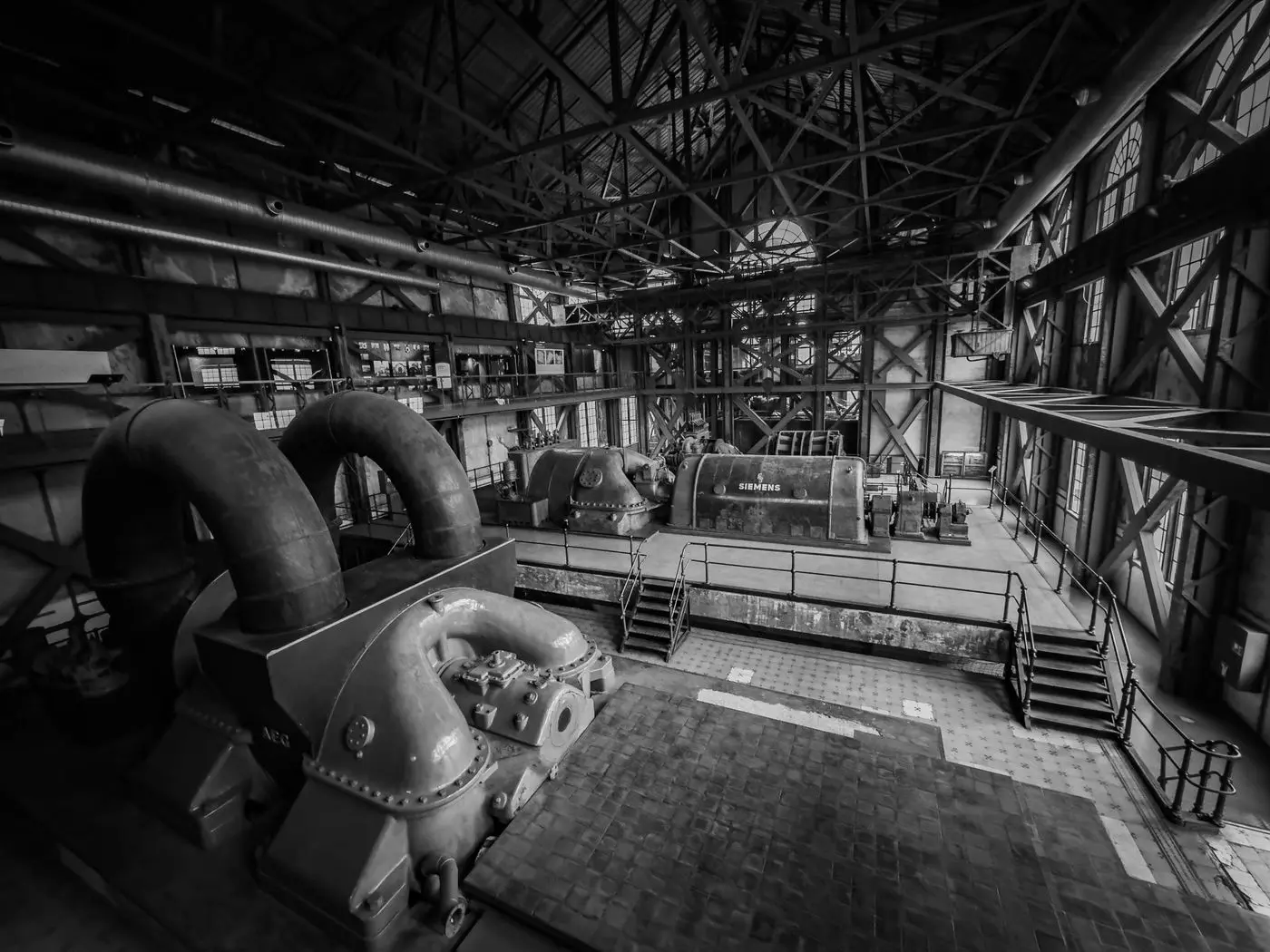
Steam turbine and boiler flanges see hundreds of start-stop cycles a year. Each cycle works the thread root, and a cut thread will find its fatigue limit long before a rolled one.

Marine and offshore
Salt spray finds every scratch. A zinc-plated stud on an offshore deck will be rusting inside a year, and a stainless one will gall on the first tightening if it goes on dry.

LNG and cryogenic
Carbon and alloy steels go brittle as they get cold. At −101 °C an ordinary B7 stud has almost no toughness left — it will not bend before it breaks, and there is no warning at all.

Construction and infrastructure
Anchor bolts are cast in and never inspected again. Whatever corrosion protection goes on at the factory is the only protection that structure will ever get.
07 / Quality
Certification supplied with the goods
ISO 9001:2015
Quality management system
Certified manufacturing and inspection process
EN 10204 3.1
Mill test certificate
Issued with every production batch, traceable to heat number
EN 10204 3.2
Third-party witnessed certificate
On request — BV, SGS, TUV or client inspector
NACE MR0175 / ISO 15156
Sour service bolting
Hardness-controlled B7M / L7M to 22 HRC max
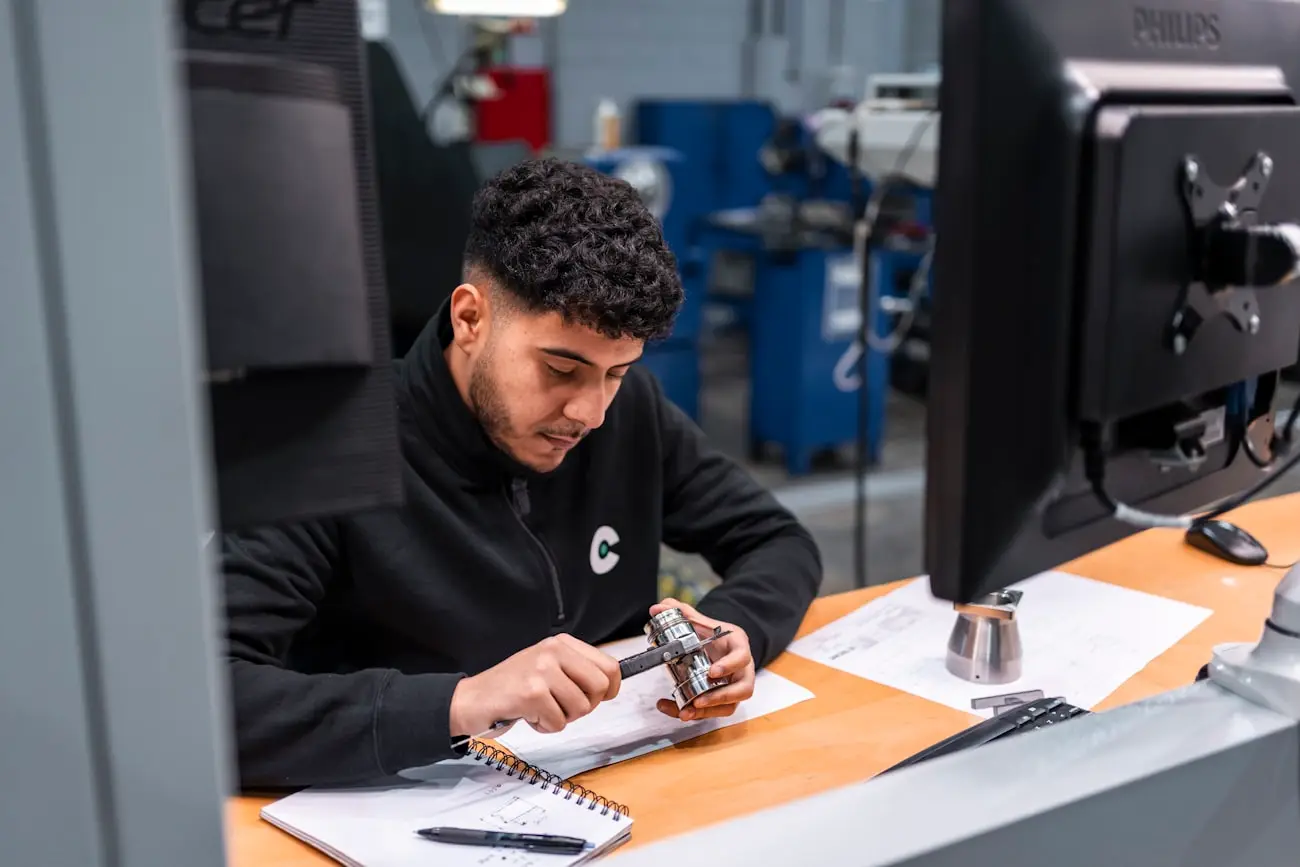
The certificate is only worth what the measurements behind it are worth. Every value printed on our 3.1 comes from a test that was actually run on that batch, in our own lab, and the reading is on the document — not a tick box.
Quality08 / FAQ
Questions buyers actually ask
What is the difference between ASTM A193 B7 and A320 L7?
They are the same steel — AISI 4140, quenched and tempered to the same 860 MPa. The difference is a test: every heat of L7 must pass a Charpy V-notch impact test at −101 °C. A B7 stud may well be tough enough at low temperature, but without that test result it cannot be certified as L7, and no amount of paperwork afterwards can fix that.
Why can I not use A194 2H nuts with B7M studs?
Because 2H runs at 24 to 38 HRC, and sour service specifications cap hardness at 22 HRC. B7M studs are tempered soft precisely to meet that limit; putting a hard nut on them puts the hardest part of the joint straight into the H₂S. The correct pairing is B7M with 2HM, and L7M with 7M.
Do you supply an EN 10204 3.1 certificate with every batch?
Yes. Every batch ships with a 3.1 mill test certificate showing the heat number, chemical analysis, mechanical test results and the heat treatment record, signed by our quality department. The heat number is also stamped on the stud itself so the paperwork can always be matched back to the part. A 3.2 certificate with third-party witnessing is available on request.
How long is the stud bolt you can make in one piece?
Up to 6 000 mm in one piece, with no welded joint anywhere along the length. Threaded rod is cut and chamfered to any dimension inside that range at no extra tooling cost, and straightness is checked over the full length rather than only at the ends.
Is a rolled thread really better than a cut thread?
For fatigue, yes, and the difference is not marginal. Rolling forms the thread by displacing metal, so the grain flow follows the root radius and the surface is left in compression. Cutting removes metal and leaves the grain ends exposed at the root, which is exactly where a fatigue crack starts. On a joint that sees thermal or pressure cycling, that is the difference that matters.
What information do you need to quote a stud bolt?
Five things: the grade (for example A193 B7 with A194 2H nuts), the diameter and length, the quantity, the coating, and the certificate level you need. If you only have the flange details — size, class and facing — send those instead and we will work the stud size and length out for you.
Need a quotation?
Send us the grade, size and quantity. We reply within one working day with price, lead time and the certificate package included.