What breaks bolts, industry by industry
Each page starts with the failure mode rather than the product range, because the failure mode is what decides the grade.

Oil and gas
Wet hydrogen sulphide cracks hard steel. A B7 stud at 32 HRC can fail in service without any warning and without any loss of section — the crack simply runs through it.
Hardness-controlled B7M or L7M below 22 HRC, with 2HM or 7M nuts, every piece hardness tested and the reading printed on the certificate.

Petrochemical and refining
A joint that holds fine at ambient can lose its bolt load once the line is at 480 °C — the stud creeps, the gasket relaxes, and the flange starts weeping at the next thermal cycle.
A193 B16 with its vanadium addition holds bolt load to 538 °C where B7 would relax. Paired with grade 4 or grade 7 nuts, not 2H.
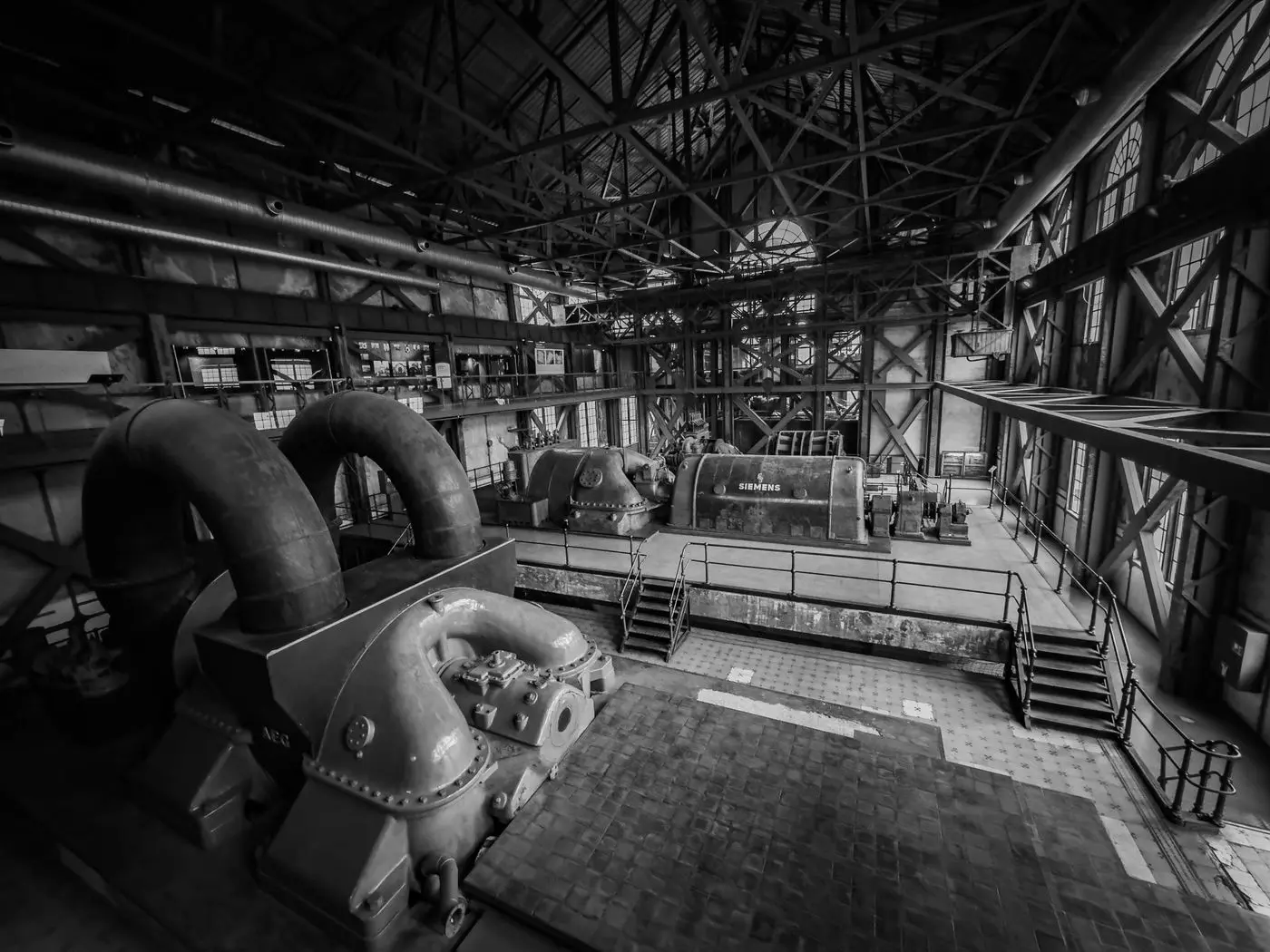
Power generation
Steam turbine and boiler flanges see hundreds of start-stop cycles a year. Each cycle works the thread root, and a cut thread will find its fatigue limit long before a rolled one.
B16 and B7 studs with the thread rolled after heat treatment, plus documented hardness and impact results for the plant records.

Marine and offshore
Salt spray finds every scratch. A zinc-plated stud on an offshore deck will be rusting inside a year, and a stainless one will gall on the first tightening if it goes on dry.
B8M stainless or PTFE-coated B7. The PTFE does two jobs at once — it keeps the salt out and it gives a predictable friction coefficient for torque control.

LNG and cryogenic
Carbon and alloy steels go brittle as they get cold. At −101 °C an ordinary B7 stud has almost no toughness left — it will not bend before it breaks, and there is no warning at all.
A320 L7 or L43, where every heat is Charpy impact tested at −101 °C before it can be certified. The test result is the product.

Construction and infrastructure
Anchor bolts are cast in and never inspected again. Whatever corrosion protection goes on at the factory is the only protection that structure will ever get.
Hot dip galvanized rod to DIN 976 with nuts overtapped per ASTM A563, so the set still assembles after 85 µm of zinc goes on.
Need a quotation?
Send us the grade, size and quantity. We reply within one working day with price, lead time and the certificate package included.